Building your own home is one of the biggest financial decisions you'll ever make. While choosing a builder, selecting finishes and watching your dream home take shape is exciting, understanding how construction finance works can feel overwhelming.
Unlike a standard home loan, construction loans are released in stages as your build progresses. Knowing how the process works before you sign a building contract can help avoid delays, reduce stress and ensure your project stays on track.
What Is a Construction Loan?
A construction loan is a home loan specifically designed for building a new home or undertaking a major renovation.
Rather than receiving the full loan amount upfront, your lender releases funds progressively as construction reaches agreed milestones.
This means you only pay interest on the amount that has been drawn down, rather than the full approved loan amount from day one. Once construction is complete, the loan generally converts to a standard home loan with principal and interest repayments, unless another repayment arrangement has been selected.
How Do Progress Payments Work?
Instead of paying your builder all at once, the lender releases funds at various stages of the build.
While the exact stages can vary depending on the builder and lender, they commonly include:
- Deposit.
- Base stage.
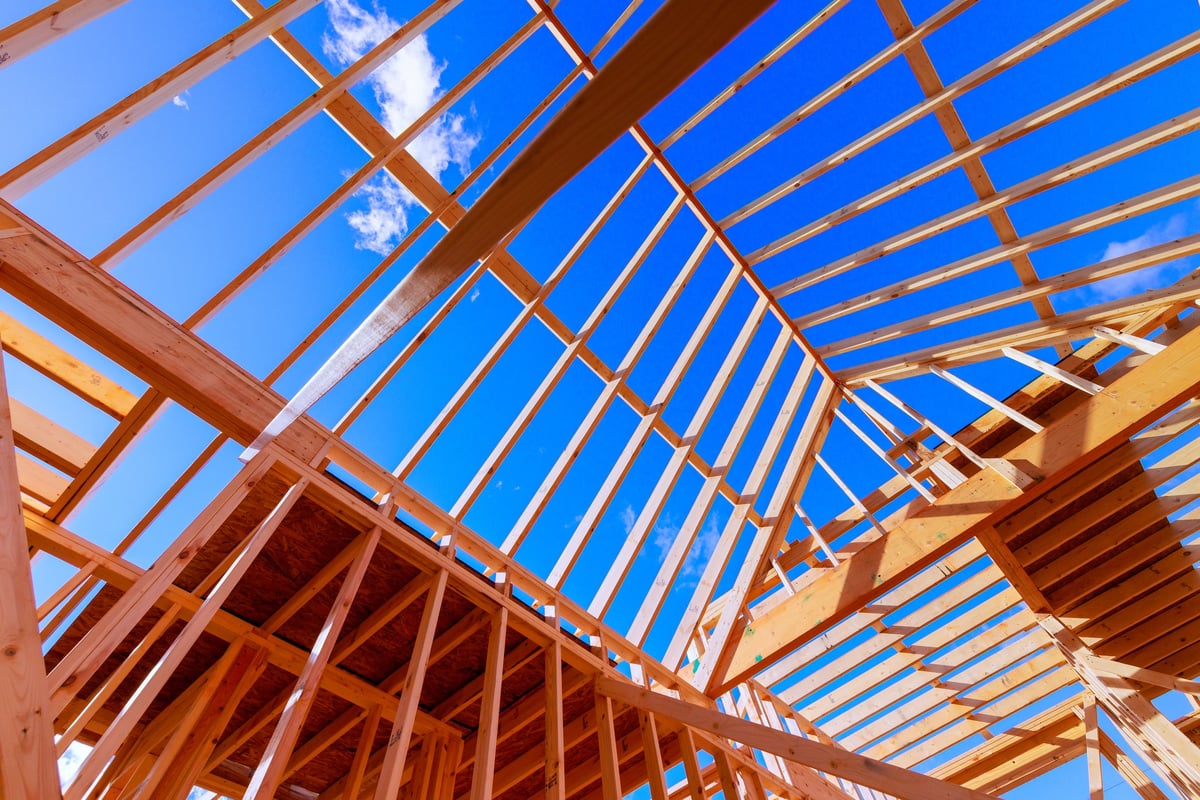
- Frame stage.
- Lock-up stage.
- Fixing stage.
- Practical completion.
Before each payment is released, the lender will generally receive an invoice from your builder. In some cases, they may also arrange an inspection to confirm the work has been completed. This process helps ensure loan funds are only released as construction progresses.
Do You Pay Full Repayments During Construction?
One of the biggest misconceptions about construction loans is that you'll immediately begin making repayments on the full loan amount. In most cases, that's not how it works.
Because funds are released progressively, you'll usually only pay interest on the amount that has been drawn at each stage of construction.
For many borrowers, this can make managing cash flow easier while they're continuing to pay rent or live in their existing home during the build. Once construction is complete and the full loan has been drawn, your repayments will generally increase to reflect the full loan balance.
How Much Deposit Do You Need?
The amount you'll need depends on several factors, including:
- The value of your land.
- The cost of construction.
- Your available savings or equity.
- The lender you choose.
- Whether you're eligible for government assistance.
If you already own your land, the equity you've built may form part or all of your contribution towards the construction costs. First home buyers may also be eligible for government grants or stamp duty concessions, depending on the property and their individual circumstances. Understanding your position early allows you to plan your budget with greater confidence before signing contracts.
How Is a Construction Loan Valued?
When applying for a construction loan, the lender doesn't just assess the value of your land or the cost of the building contract separately. Instead, they'll generally order an "as if complete" valuation. This estimates what the property is expected to be worth once construction has been finished.
The valuer will typically consider:
- The land value.
- Your building contract.
- Building plans and specifications.
- Comparable sales of similar completed homes in the area.
The valuation helps determine how much the lender is prepared to lend and whether your contribution meets their lending requirements.
What Happens if You Make Changes During the Build?
It's common for homeowners to make changes after construction has started. These are known as variations and might include:
- Upgraded flooring or cabinetry.
- Additional electrical work.
- Landscaping or retaining walls.
- Changes to fixtures and fittings.
- Structural alterations.
While some variations are minor, others can significantly increase the total cost of your project. If your building costs increase beyond your approved loan amount, you'll generally need to fund the additional costs yourself unless your lender approves an increase to your loan. Speaking with your broker before agreeing to major variations can help you understand the financial impact.
Choosing the Right Lender Matters
Not all construction loans are the same. Lenders can differ in areas such as:
- Maximum Loan to Value Ratios (LVRs).
- Progress payment processes.
- Construction timeframes.
- Interest-only options during construction.
- Documentation requirements.
- Policies for owner-builders and major renovations.
Choosing a lender with a construction loan that suits your project can make the building process much smoother.
Common Construction Loan Mistakes
Building a home is exciting, but a few common mistakes can create unnecessary stress or delays. Some of the most common include:
- Signing a building contract before obtaining finance approval.
- Underestimating site works or other additional costs.
- Not allowing enough contingency for unexpected expenses.
- Making significant contract variations during construction.
- Choosing a lender based solely on interest rate rather than construction experience.
Careful planning before construction begins can help reduce surprises throughout the build.
Why Use a Mortgage Broker for a Construction Loan?
Construction lending is often more complex than a standard home loan. A mortgage broker can help by:
- Comparing construction loan products across multiple lenders.
- Explaining how progress payments work.
- Reviewing your building contract before finance is submitted.
- Coordinating with your builder throughout the construction process.
- Managing communication with the lender from approval through to final completion.
Having someone guide you through each stage can make the process significantly less stressful.
How Adelaide Finance Specialists Can Help
At Adelaide Finance Specialists, we've helped many South Australians finance the construction of their new homes.
Whether you're building your first home, upgrading to your forever home or undertaking a major renovation, we'll help you compare construction loan options from more than 60 lenders and recommend a solution that suits your project. We'll guide you through the finance process, liaise with your builder and lender, and help ensure your progress payments are managed as smoothly as possible.
Related Reading
Building your first home? See which first home buyer grants you may be eligible for. If you're funding your build with existing equity, our guide to using equity explains how it works.
Need advice that's specific to your situation?
Every borrower's circumstances are different. If you'd like personalised guidance, book a complimentary consultation with Adelaide Finance Specialists. We'll explain your options in plain English and help you choose a lending solution that suits your goals.
Book Your Complimentary ConsultationAbout the Author
Sam Weaver is the Director of Adelaide Finance Specialists and has over 17 years of experience helping Australians secure home loans, construction finance, SMSF lending and complex finance solutions. He works with more than 60 lenders and specialises in finding practical lending solutions tailored to each client's circumstances.
Disclaimer: The information in this article is general in nature and does not take your personal circumstances into account. Construction lending policies and progress payment structures vary between lenders and may change over time. Speak with Adelaide Finance Specialists for advice specific to your situation before making any financial decisions.
Disclaimer: The information in this article is general in nature and does not take your personal circumstances into account. Construction lending policies and progress payment structures vary between lenders and may change over time. Speak with Adelaide Finance Specialists for advice specific to your situation before making any financial decisions.